
Smart mirrors bring AI skin analysis home. See how Samsung, Amorepacific, and Lululab are patenting the space and where white space remains.
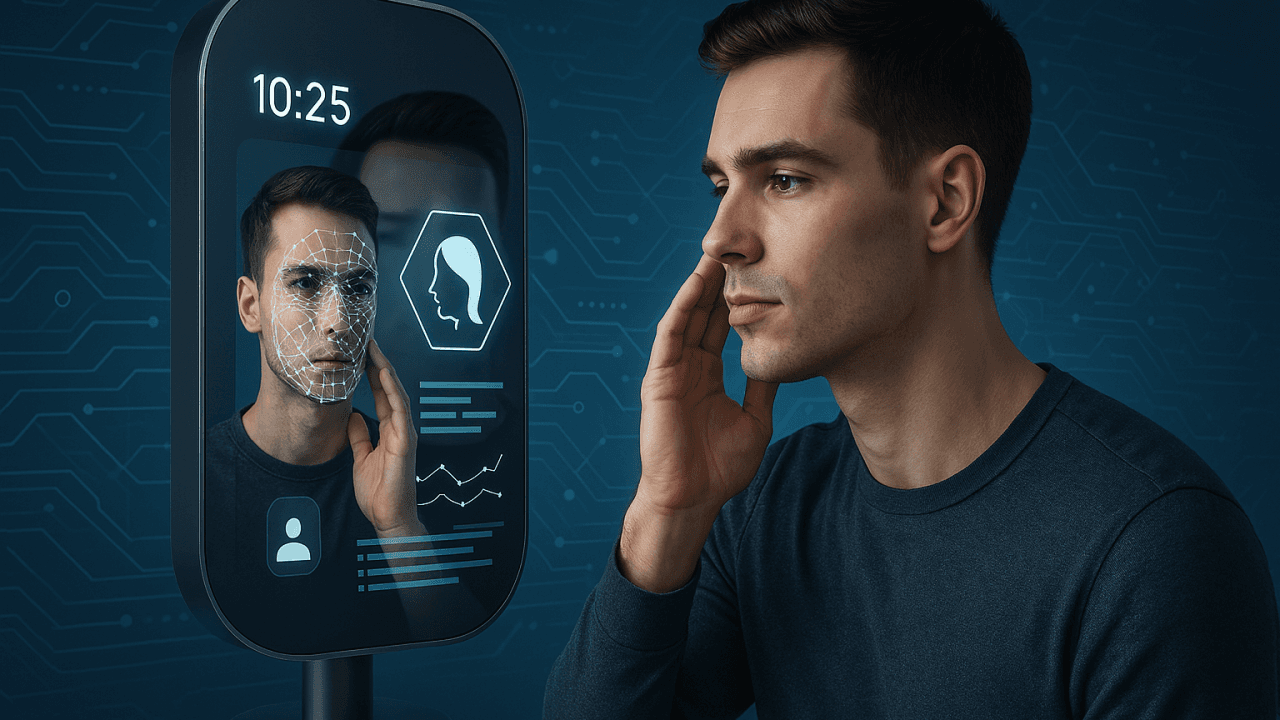
Smart mirrors are advancing personal skincare by integrating artificial intelligence, advanced imaging, and digital health into a sleek interface. These devices analyze skin conditions such as hydration levels, wrinkles, pigmentation, and pore size, offering personalized skincare routines and product recommendations. Some even track changes over time, providing dynamic feedback for users striving for healthier, more radiant skin. As consumer demand for at-home wellness technology grows, smart mirror companies are seeking to claim a space at the intersection of beauty, health, and innovation.
Leading the charge in this space are tech and beauty giants alike. Samsung has ventured into connected lifestyle products, showcasing AI-driven skin diagnostics integrated with IoT ecosystems. Amorepacific, the South Korean cosmetics conglomerate, leverages its skincare expertise to bring scientific precision to beauty tech. Meanwhile, Lumini, a startup spun out of lululab, has gained attention for its AI-powered skin analysis tools that deliver clinical-grade insights to consumers. These companies exemplify how different players ranging from consumer electronics to beauty companies, are converging in the smart mirror arena.
Each of these companies emphasizes unique features to differentiate their smart mirrors and appeal to consumers. Samsung’s MICRO LED Beauty Mirror, developed in collaboration with Amorepacific, utilizes advanced AI algorithms to analyze individual skin types and provide tailored self-care product recommendations. The mirror can assess skin characteristics such as wrinkles, pores, pigmentation, and erythema with over 85% accuracy, based on more than 20,000 clinically labeled skin diagnoses. Amorepacific’s integration of its AI Skin Analysis & Care Solution into the mirror allows users to visualize their skincare and makeup routines. Lumini’s smart mirror, on the other hand, captures and analyzes facial features using a multispectral camera and AI-powered algorithms to diagnose skin issues such as acne and melasma, subsequently recommending suitable skincare products.
Competing in a device category this crowded? An ipCG IP landscape analysis shows who owns what and where the white space sits, or talk to an ipCG strategist.
Behind the scenes, intellectual property activity signals investment and the value of the innovations being developed.
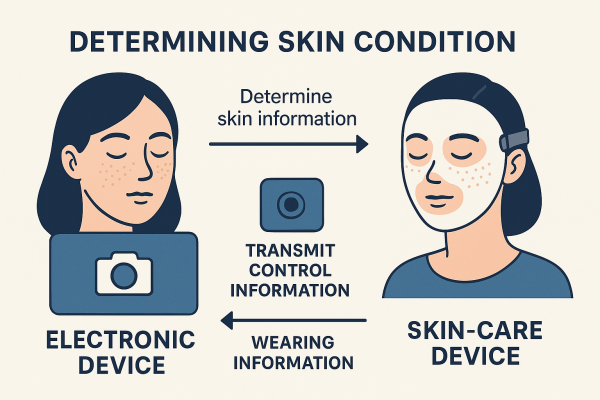
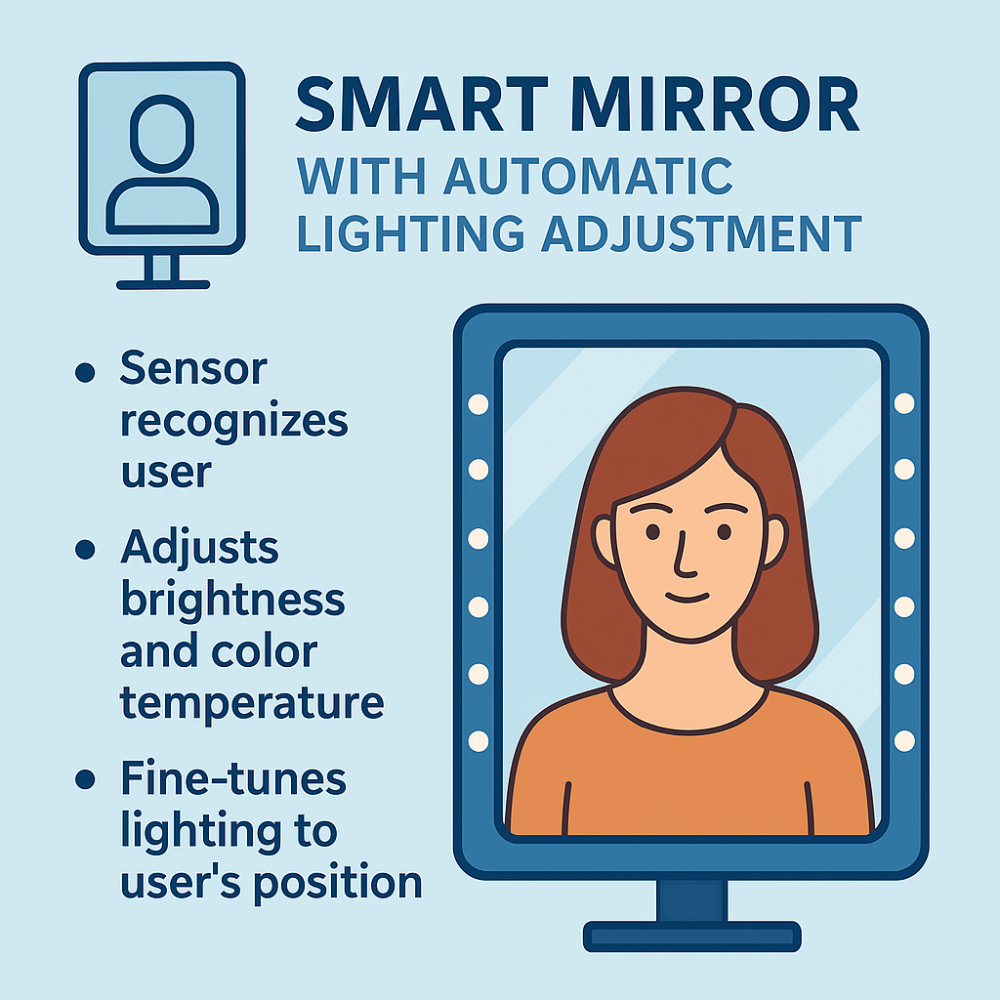
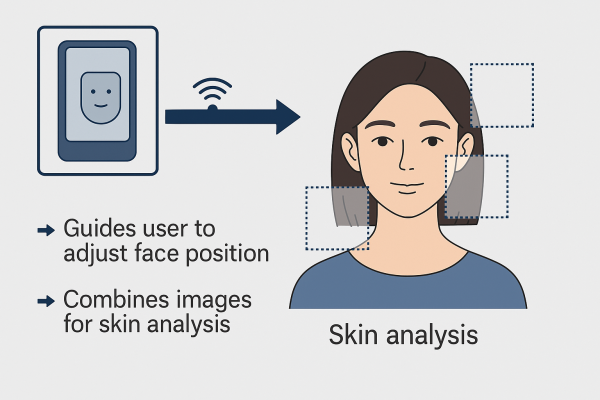
These filings reflect a broader trend of innovation that spans hardware, machine learning algorithms, and user experience design. Each company has been investing in intellectual property to help protect its innovations.
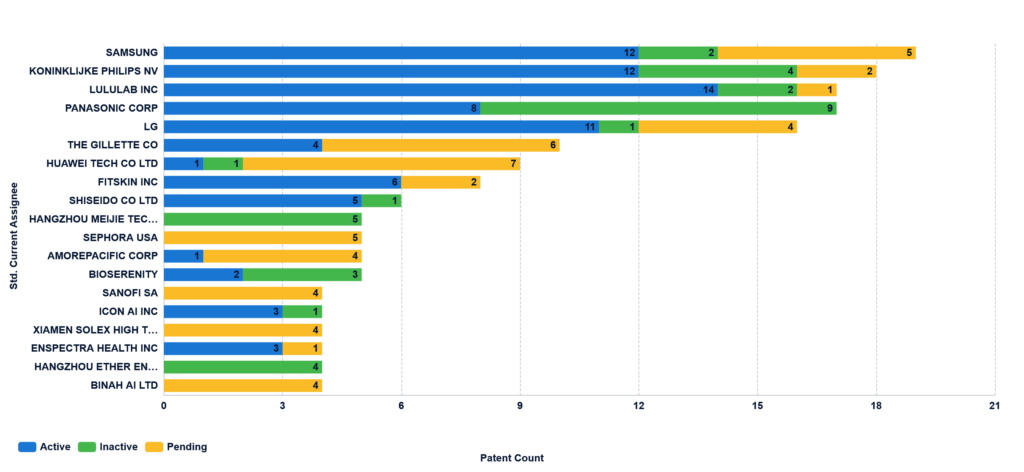
A quick look at the patent space in “smart mirrors” shows that the three companies above all have more than a single patent filing. Samsung and Lululab (including the Lumini product) are in the top 5, and Amorepacific appears in the top 15 IP holders identified in the space. A more detailed review of the IP would be required to identify the specific technologies and product features that each company is focused upon, and where the future white space opportunities will be.
As the smart mirror market matures, we can anticipate increased consumer adoption, deeper AI integration, and growing competition on the intellectual property front. The convergence of health technology and beauty creates opportunities for cross-industry partnerships, personalized wellness, and real-time diagnostics that once required professional consultation and will become available for home use. For companies operating in this space, a robust patent strategy will be essential not just for protection, but also for differentiation and future licensing opportunities. Smart mirrors are one pathway to home-based, tech-enabled skincare.
Work with ipCapital Group
From invention to monetization, our team has guided 2,000+ engagements across the full IP lifecycle. Start with a free 30-minute discovery call.

Written by
Nancy Cronin