
Oct 20, 2026Seth Cronin
How Much Should a Startup Budget for Patents in 2026?
A seed-stage patent budget built line by line at 2026 USPTO fees: about $25,000 per family through grant, and how the number moves with your milestones.

Perspectives on IP strategy, patent valuation, structured invention, and the evolving landscape of intellectual property from the team at ipCapital Group.
Let's discuss how ipCapital Group can help you build, protect, and monetize your intellectual property portfolio.
Talk with Our TeamA seed-stage patent budget built line by line at 2026 USPTO fees: about $25,000 per family through grant, and how the number moves with your milestones.

OpenAI posted 722 AI-written math papers and withdrew three within a day. Terence Tao’s cancer-cure thought experiment shows why producing answers got cheap while trusting them did not, and what that means for IP work.
A provisional is a twelve-month option on a filing date. What a strong one contains, the month-six money call, rolling vs. concatenated filings, and the plan.

What an IP strategy consultant does that your patent attorney does not, how engagements are priced, and the cases where you can skip one.

Taction Technology has 27 patent applications in five families, across every topic it has ever filed on. Apple has 2,204 haptics applications since 2011. Immersion has 2,745.

AI tools now draft useful disclosures, embodiments, and first-pass specifications. They still break at claim strategy, enablement, and inventorship.
A stage-by-stage startup IP strategy for 2026: what to protect from pre-seed to Series B, what it costs, and why one well-chosen tactic beats an IP program.
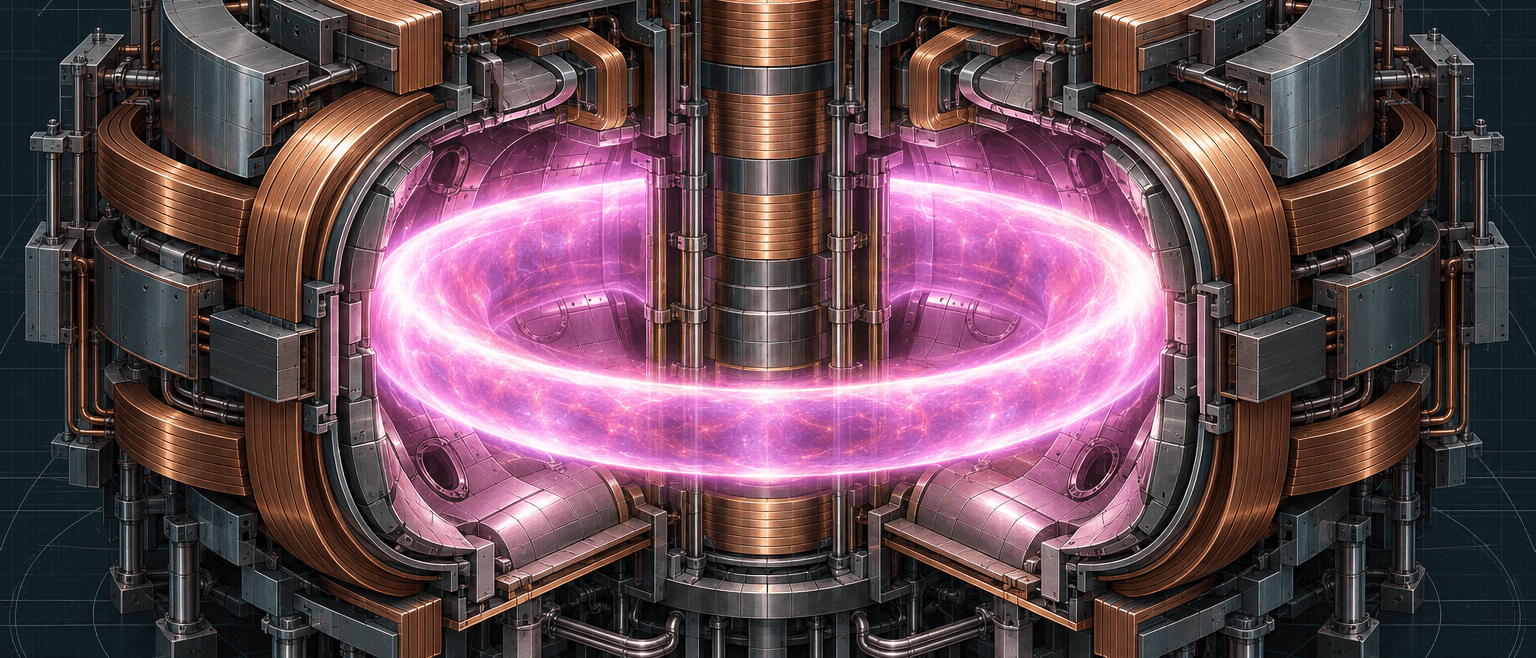
Three Chinese state institutes hold more fusion patent families than every venture-backed fusion company combined. Remove Chinese-only filings and that lead almost entirely disappears: just 2.4 percent of their families ever publish outside China.
On August 26, a jury in North Carolina put a $96.4 million price on wire management.

In June, when French startup Quobly raised 115 million euros to build quantum processors from silicon spin qubits, I mapped the quantum computing patent landscape and made one observation: silicon spin was one of the lea.
Antora’s $550 million round landed in a patent field 54,623 families deep and about fifty years old. The only part of it still bending is thermal storage tied to data centers.
The orbital service layer spans space awareness, rendezvous, servicing, and in-space assembly. A patent landscape shows where the technical and IP positions are forming.