
The Agentic AI Patent Thicket Is Forming. The Moat Builders Are Not Who You Think.
A patent landscape of 3,146 agentic AI families shows that operators, banks, autonomous-vehicle companies, and Chinese research institutions are building the moat.
Perspectives on IP strategy, patent valuation, structured invention, and the evolving landscape of intellectual property from the team at ipCapital Group.
Let's discuss how ipCapital Group can help you build, protect, and monetize your intellectual property portfolio.
Start a Project
A patent landscape of 3,146 agentic AI families shows that operators, banks, autonomous-vehicle companies, and Chinese research institutions are building the moat.

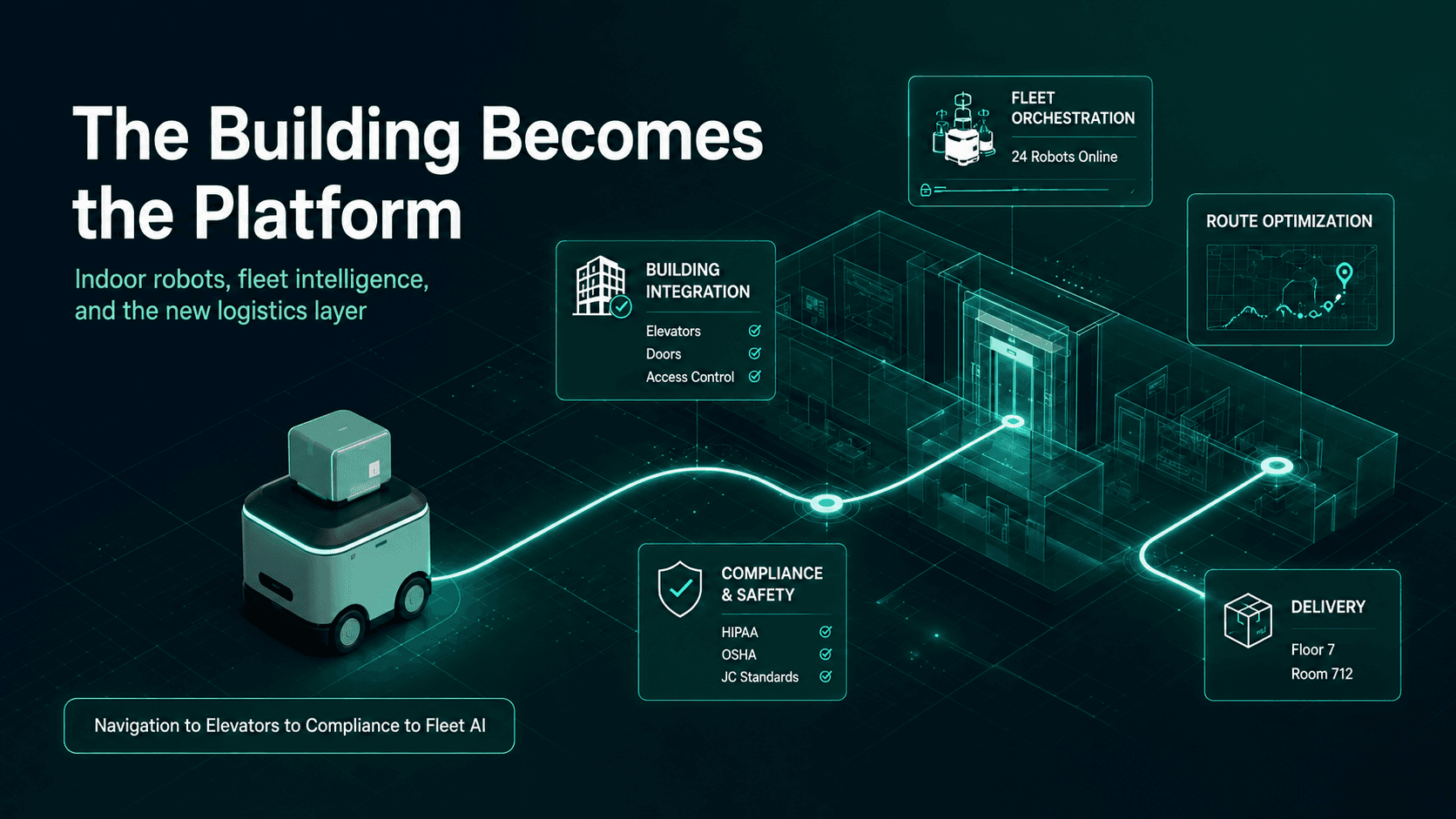
Indoor autonomous delivery is entering its infrastructure era. The next opportunity may not be the machine itself, but the intelligence layer that connects robots, buildings, compliance, and enterprise operations.

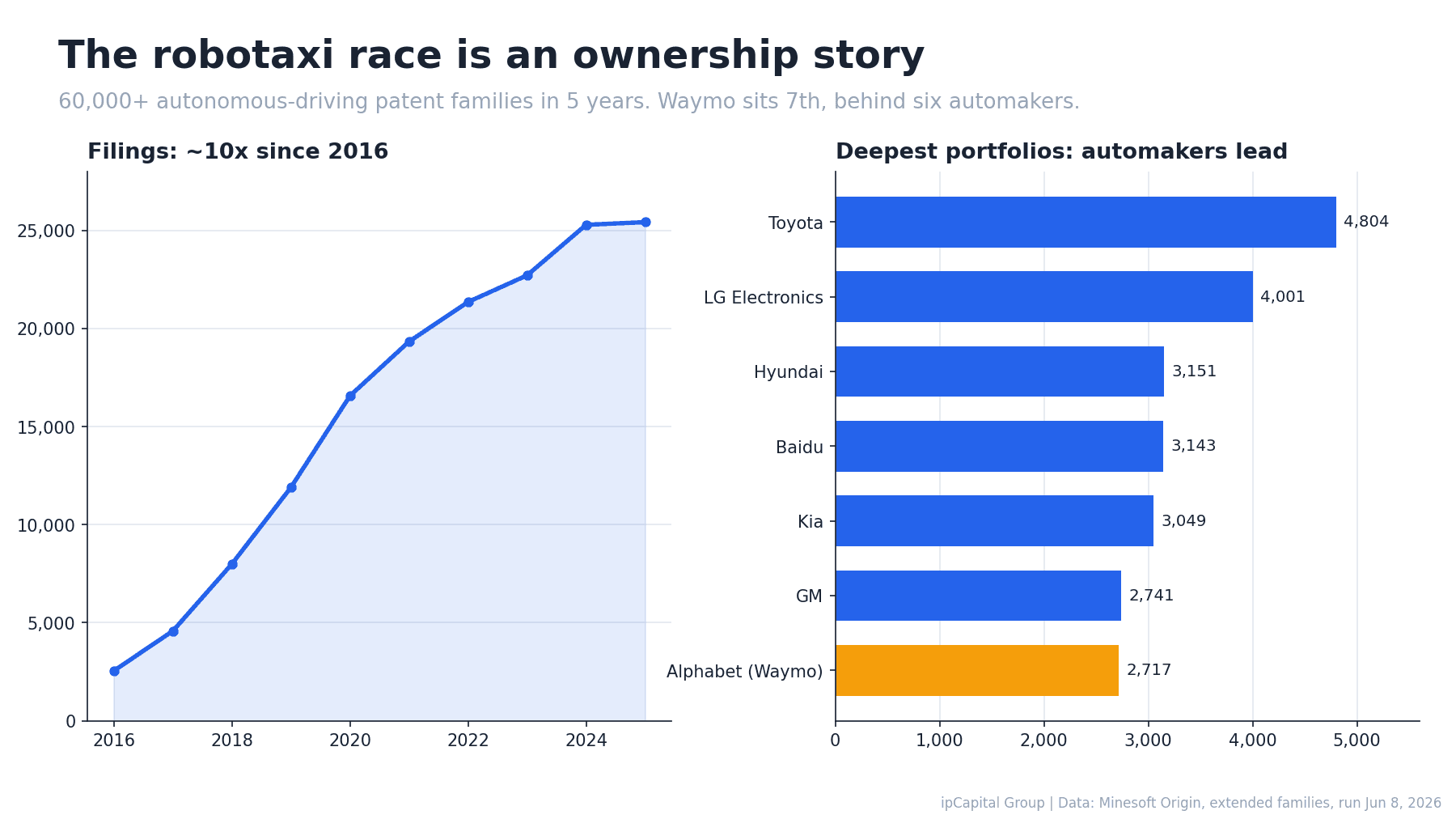
Robotaxi headlines focus on fleets and cities. The patent data shows where durable leverage is forming: perception, fallback, orchestration, and teleoperation.

The biggest opportunity in gaming may not be content, characters, or franchises — it may be the technology layer emerging between physical and digital play.

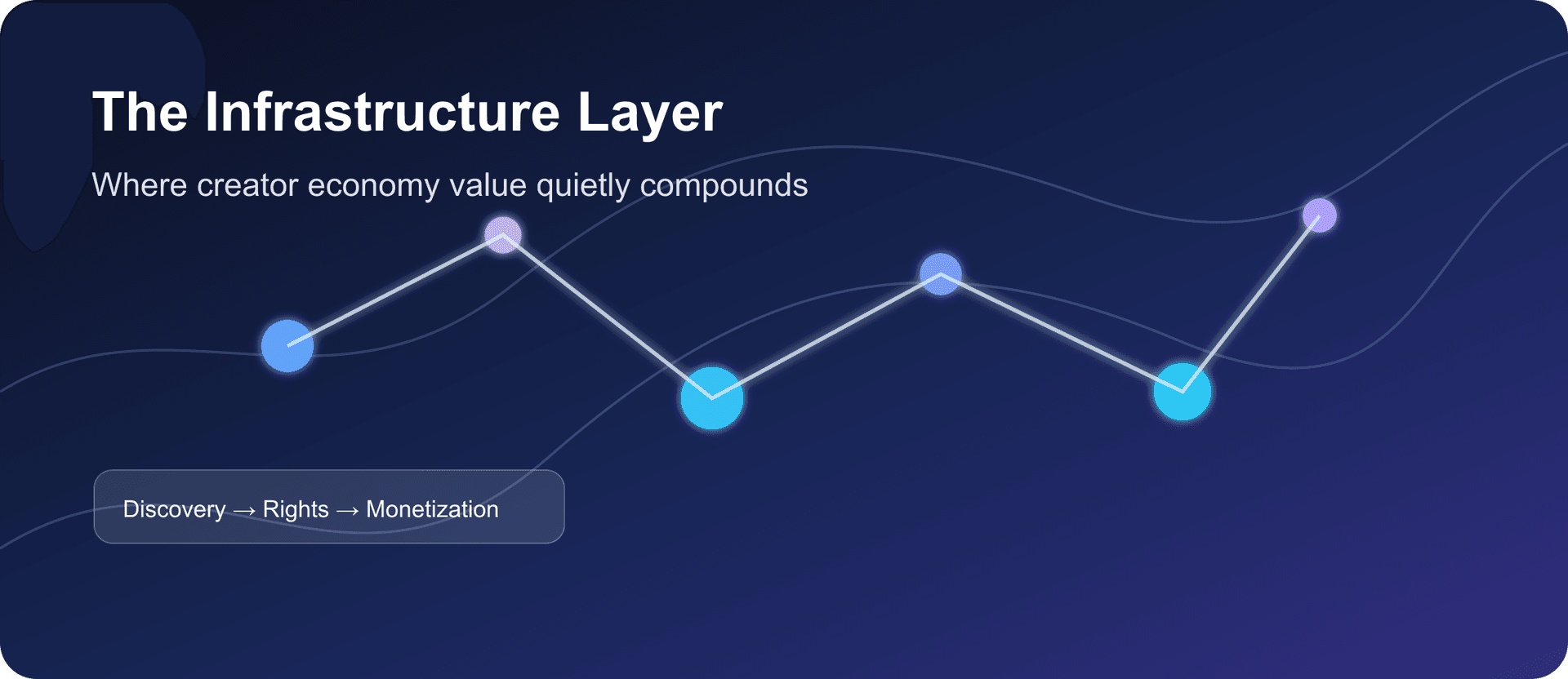
As the creator economy scales, competitive advantage is shifting from content to the infrastructure beneath it — and that’s where the next product and IP opportunities are forming.

SpaceX holds far fewer patent families than many would expect. The lesson is not that patents stopped mattering. It is that where and how you file became a strategy question.

By: John Cronin Executive Summary Filing a provisional patent application is not the finish line; it is the starting gun. The twelve months that follow are among the most strategically important in a company’s IP lifecycle, yet most organizations treat them as a waiting period. That passivity leaves significant business value on the table. This …
What comes after you start building value from your first patent? In Part 2 of this series, John Cronin dives into advanced strategies for leveraging your IP in real-world business scenarios. Learn how to use patents to close deals with customers and vendors, raise investment, and combine multiple strategies to maximize value. This episode also explores the future of patents in an AI-driven world and how your patent could evolve into a powerful, self-driving asset.

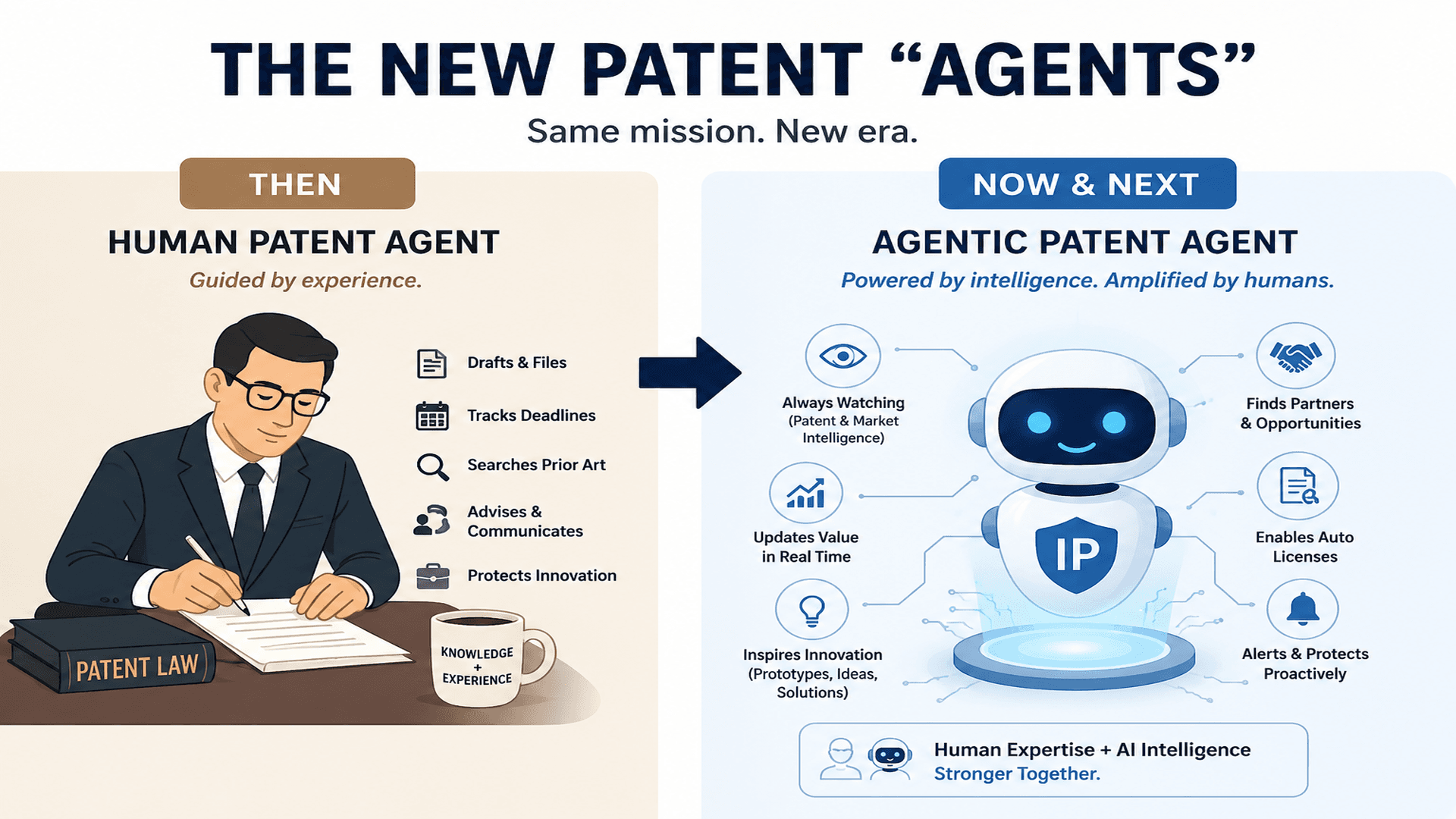
For decades, the term “patent agent” referred to a highly skilled professional helping inventors navigate the intellectual property system. Patent agents and attorneys have long served as the connective tissue between innovation, legal protection, commercialization, and strategy. They help ideas move from imagination into protected economic assets. Patent agents could do most of the things …

What comes after you start building value from your first patent? In Part 2 of this series, John Cronin dives into advanced strategies for leveraging your IP in real-world business scenarios. Learn how to use patents to close deals with customers and vendors, raise investment, and combine multiple strategies to maximize value. This episode also explores the future of patents in an AI-driven world and how your patent could evolve into a powerful, self-driving asset.

What do you do after your first patent is granted? In Part 1 of this two-part series, John Cronin breaks down how to turn your patent into real business value. From licensing and litigation to M&A strategy and defending against copycats, this episode delivers a practical roadmap for inventors, founders, and executives looking to monetize and scale their IP. Learn the key decisions, trade-offs, and strategies that move a patent off the wall and into the market.

By: John Cronin Executive Summary Receiving a granted patent is a genuine achievement, but the patent itself is not the destination. It is the starting point of a strategic asset management problem. The decisions made in the months and years following grant determine whether a patent becomes a revenue-generating asset, a competitive moat, or an …